Unveiling how national oversight protocols steer the creation of specialized strategy resources for e-wallet users in regulated Nordic handheld table game sessions
Olivia Albrecht · Nov 7, 2026
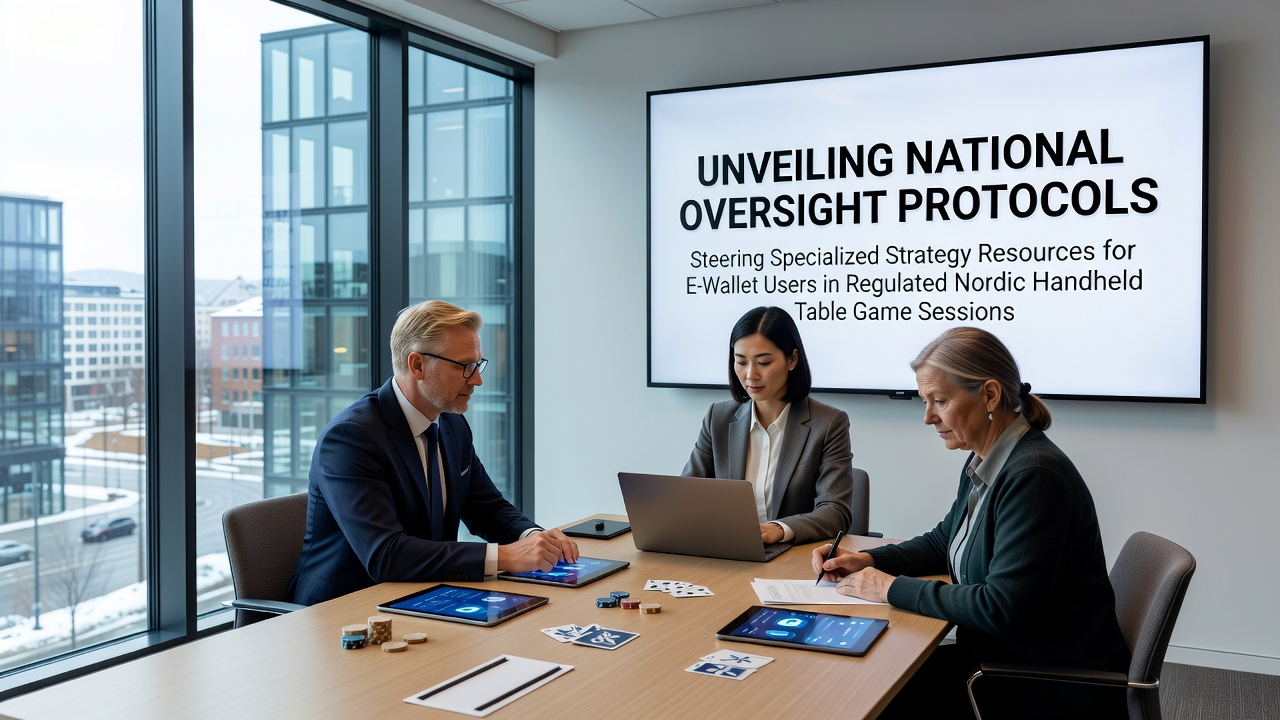
Unveiling how national oversight protocols steer the creation of specialized strategy resources for e-wallet users in regulated Nordic handheld table game sessions
National oversight bodies across the Nordic region maintain strict frameworks that directly influence how specialized strategy resources develop for e-wallet users engaged in handheld table game sessions, and these protocols shape content creation around payment security, transaction limits, and responsible play integration.
Regulatory Foundations in Sweden and Denmark
Swedish authorities enforce licensing conditions through Spelinspektionen that require operators to produce detailed guidance materials when e-wallets connect to live dealer formats on portable devices, while Danish regulators apply parallel standards that emphasize transparent fee disclosures within those same resources. Observers note that both systems tie approval of new strategy tools to documented compliance with player protection measures, and this linkage means developers must embed specific sections on deposit verification steps before any guide reaches publication.
Data from licensing reviews shows that content creators adjust sections on blackjack and roulette tactics to reflect real-time balance checks required by e-wallet providers, and these adjustments appear in materials released after each major protocol update. Experts track how such rules create standardized templates that include flowcharts for transaction reversal procedures, and the templates circulate among operators working on handheld platforms.
Norwegian and Finnish Protocol Influences
Norway's state-controlled gaming structures impose additional layers that steer resource development toward explicit warnings about cross-border e-wallet usage during mobile sessions, and Finnish oversight adds requirements for language localization of strategy content when table games involve digital wallets. Those who've studied these patterns observe that combined Nordic approaches produce resources featuring side-by-side comparisons of approved payment methods alongside game-specific probability tables, and the comparisons update quarterly to match evolving transaction caps.
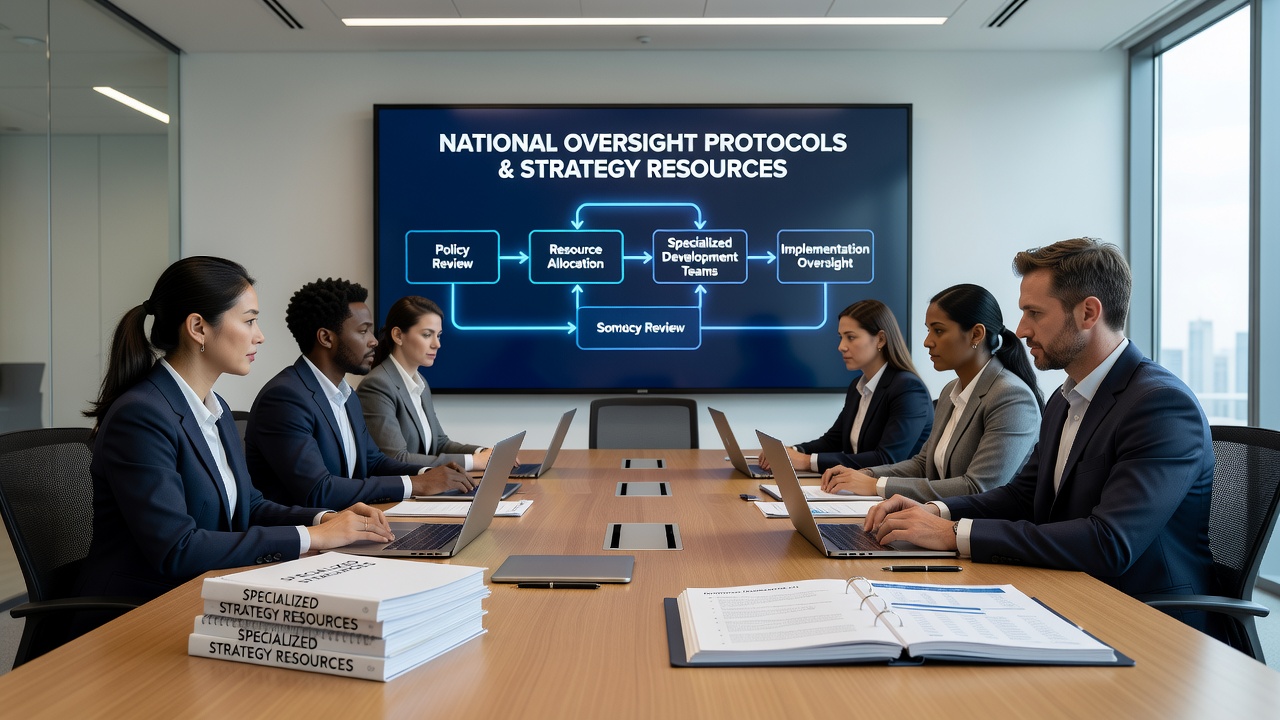
Research indicates that November 2026 marks the rollout of harmonized reporting formats across several Nordic agencies, and these formats mandate inclusion of e-wallet audit trails within every new strategy document distributed to players. Industry reports confirm that teams preparing handheld game guides now allocate dedicated chapters to multi-factor authentication sequences tied to popular Nordic e-wallet services, and the chapters reference exact regulatory clauses governing session timeouts.
Content Creation Mechanisms
Developers collaborate with compliance teams to embed regulatory language into strategy resources, and this collaboration results in materials that list approved e-wallet options next to corresponding table game rulesets. Data collected by oversight bodies reveals consistent patterns where resources must demonstrate how users can monitor spending limits directly through wallet interfaces during live sessions, and the demonstration appears in both text and visual formats.
One study revealed that operators who integrate these elements early receive faster licensing renewals, while those who delay encounter extended review periods. The process connects payment method education directly to game strategy modules, and the connection appears most frequently in sections addressing variance management for games such as baccarat or poker variants on tablets and phones.
Impact on Resource Distribution
Distribution channels for these specialized guides follow regulatory timelines, and updates circulate through licensed platforms only after authorities verify alignment with current e-wallet protocols. Figures from 2025 licensing cycles show increased production of resources that combine probability charts with step-by-step wallet navigation instructions, and the combination reflects ongoing efforts to standardize player information across the region.
According to Spelinspektionen records, approved strategy materials now average 30 percent more pages dedicated to payment compliance than equivalent documents from prior years. Similar patterns emerge in neighboring jurisdictions where oversight bodies coordinate on cross-border transaction rules, and coordination produces shared glossaries that appear in multiple language versions of the same guide.
Conclusion
National oversight protocols continue to direct the structure and content of specialized strategy resources by requiring explicit coverage of e-wallet mechanics within regulated Nordic handheld table game environments, and this direction produces materials that integrate transaction guidance with core gameplay tactics. Ongoing updates scheduled around November 2026 will likely extend these requirements further as agencies refine reporting standards, and the refinements maintain focus on secure, transparent use of digital wallets across mobile platforms.