The Intersection of Mobile Technology and Regulatory Compliance in Scandinavian Casino Game Design
Gisela Krause · Sep 12, 2026
The Intersection of Mobile Technology and Regulatory Compliance in Scandinavian Casino Game Design
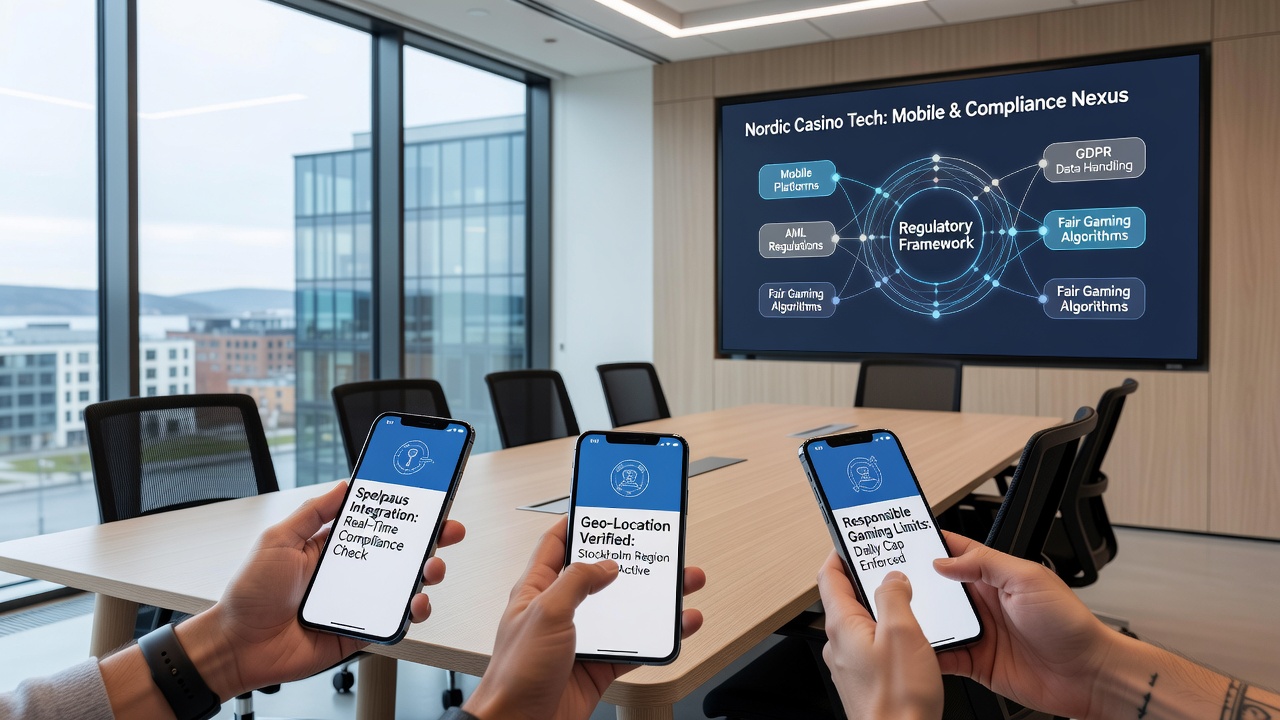
Scandinavian countries maintain distinct yet overlapping frameworks that shape how mobile casino games reach players, and developers must align game mechanics with rules from bodies such as Spelinspektionen in Sweden, the Danish Gambling Authority, and Norway's Lotteri- og stiftelsestilsynet while integrating features that run smoothly on smartphones and tablets. Mobile technology enables real-time data processing, geolocation checks, and adaptive interfaces, yet each of these capabilities must operate within limits set by licensing conditions that emphasize player protection, transaction transparency, and fair outcomes verified through certified random number generators.
Mobile Development Requirements Under Nordic Licensing
Developers working on titles for Swedish and Danish markets incorporate mandatory age-verification modules that activate before any gameplay begins, and these modules pull data from national ID registries or bank authentication systems to confirm eligibility without storing sensitive personal details on the device itself. Norwegian operators follow similar verification paths, and the result is a design pattern where game clients remain lightweight while server-side compliance engines handle the heavy lifting of identity confirmation. Data shows that session timers and loss-limit prompts appear automatically after set intervals, and these prompts draw from mobile operating system notifications so players receive alerts even when the app runs in the background.
Game studios embed cryptographic seals on every spin or card draw, and these seals feed into audit trails that regulators can access through secure portals rather than requiring physical inspections. The approach reduces latency for players yet satisfies the documentation demands that licensing conditions impose on operators. Research from European digital policy reports indicates that mobile platforms now account for over seventy percent of regulated gambling activity in the region, which has prompted authorities to issue updated technical standards for latency monitoring and data encryption during September 2026 reviews.
Geolocation, Payment Integration, and Data Protection
Scandinavian regulations require that casino applications detect user location through a combination of GPS, Wi-Fi, and IP analysis, and developers must disable play when a device crosses borders unless the jurisdiction explicitly permits cross-border play under mutual recognition agreements. This creates technical challenges for cloud-based game engines that must switch compliance modes instantly, and testing protocols now include simulated border crossings to verify that funds lock and sessions terminate without residual data exposure. Payment flows integrate directly with local banking APIs so deposits and withdrawals carry traceable reference numbers that align with anti-money-laundering reporting thresholds.
GDPR rules intersect with gambling legislation by mandating explicit consent screens for data processing, and mobile interfaces present these screens in layered formats that allow users to adjust preferences without leaving the game lobby. Observers note that such layered consent flows reduce friction while maintaining audit records that authorities can review during compliance checks.

Adaptive Game Mechanics and Responsible Play Tools
Design teams adjust reel speeds, bonus round frequencies, and bet increments so they remain within daily and monthly spending caps that operators set at the account level, and these adjustments occur through configuration files rather than hard-coded values so updates can roll out across multiple jurisdictions without full rebuilds. Mobile-specific features such as touch-optimized controls and portrait orientation support must still preserve the certified randomness of outcomes, and independent testing labs now run automated suites that simulate thousands of sessions across different device models to confirm consistency. Figures from industry reports reveal that titles incorporating dynamic limit reminders see higher retention of players who stay within their pre-set budgets compared with earlier static implementations.
Artificial intelligence modules monitor play patterns on the backend and flag potential risk indicators for operator review, yet the mobile client itself does not perform predictive scoring to avoid any perception of profiling on the user device. This separation keeps the client code simpler and reduces the regulatory surface area that needs certification. European Commission studies on digital single-market gambling highlight how such backend analytics have become standard across Scandinavian platforms since the mid-2020s, and the studies document measurable decreases in reported disputes over game fairness when transparent audit logs accompany each session.
Testing, Certification, and Cross-Border Considerations
Certification bodies require that every update to a mobile casino title undergo fresh RNG and security evaluations, and the process now includes penetration testing against common mobile attack vectors such as rooted devices and network interception. Because Scandinavian markets share similar technical expectations, studios often prepare unified codebases with jurisdiction-specific feature toggles, and this modular structure shortens time-to-market when one authority revises its guidelines. Data from multi-jurisdictional operators shows that shared certification packages can cut approval timelines by up to thirty percent compared with separate submissions for each country.
September 2026 brought renewed focus on cross-border data flows under updated EU digital regulations, and operators responded by relocating certain compliance servers inside Scandinavian borders to simplify oversight while maintaining low-latency connections to player devices. The adjustments illustrate how mobile technology and regulatory compliance continue to shape each other in real time rather than through one-way mandates.
Conclusion
The ongoing evolution of mobile casino game design in Scandinavia reflects a balance between technological capability and licensing obligations that prioritize verifiable fairness, player control, and data security. Developers continue to refine client-server architectures, geolocation methods, and notification systems so they meet the precise requirements set by national authorities while delivering responsive experiences across popular smartphone platforms. As regulatory updates emerge and device capabilities advance, the same principles of modular compliance and documented randomness are expected to guide future iterations in the region.