How Domestic Compliance Standards Direct Enthusiasts to Specialized Guides for Digital Wallet Integration with Live Card Formats on Portable Devices
Olivia Albrecht · Oct 24, 2026

How Domestic Compliance Standards Direct Enthusiasts to Specialized Guides for Digital Wallet Integration with Live Card Formats on Portable Devices
Domestic compliance standards establish strict requirements for financial transactions and data security in mobile environments, which pushes enthusiasts toward detailed guides that explain integration steps for digital wallets with live card formats on portable devices. These standards vary by jurisdiction yet share common goals around identity verification, transaction monitoring, and encryption protocols that directly affect how users connect payment tools to interactive card systems.
Regulatory Frameworks and Their Influence on Mobile Integration
Authorities in multiple regions issue rules that govern how digital wallets handle real-time data exchange with live card applications, and enthusiasts often discover that general instructions fall short when they attempt to meet these mandates on portable devices. Research from the Federal Reserve indicates that payment service providers must implement layered authentication methods, which creates specific technical hurdles during wallet setup for card-based interactions. Observers note that without targeted guidance, users encounter compatibility issues that stem from mandatory audit trails and regional data residency obligations.
Standards also require ongoing compliance checks that update frequently, so specialized resources compile the latest criteria into step-by-step procedures tailored for portable hardware. Those who study these documents find that wallet providers adjust their APIs to satisfy local licensing conditions, which means enthusiasts need precise instructions on version matching and certificate installation before live card sessions begin.
Technical Challenges Addressed in Dedicated Guides
Portable devices present unique constraints around battery management, operating system updates, and network variability that intersect with compliance demands for secure wallet-card linkages. Experts have documented how encryption key rotation schedules imposed by domestic rules require users to follow exact sequences during integration, sequences that standard manufacturer manuals rarely cover in full. Data shows that enthusiasts who consult comprehensive guides complete the process with fewer interruptions because the materials break down each regulatory checkpoint into actionable segments.
Live card formats demand continuous synchronization between wallet balances and game state, and compliance rules often stipulate session timeouts and transaction logging that specialized tutorials incorporate into their workflows. One study revealed that users following region-specific integration manuals achieved higher success rates in maintaining uninterrupted connections across multiple device types.
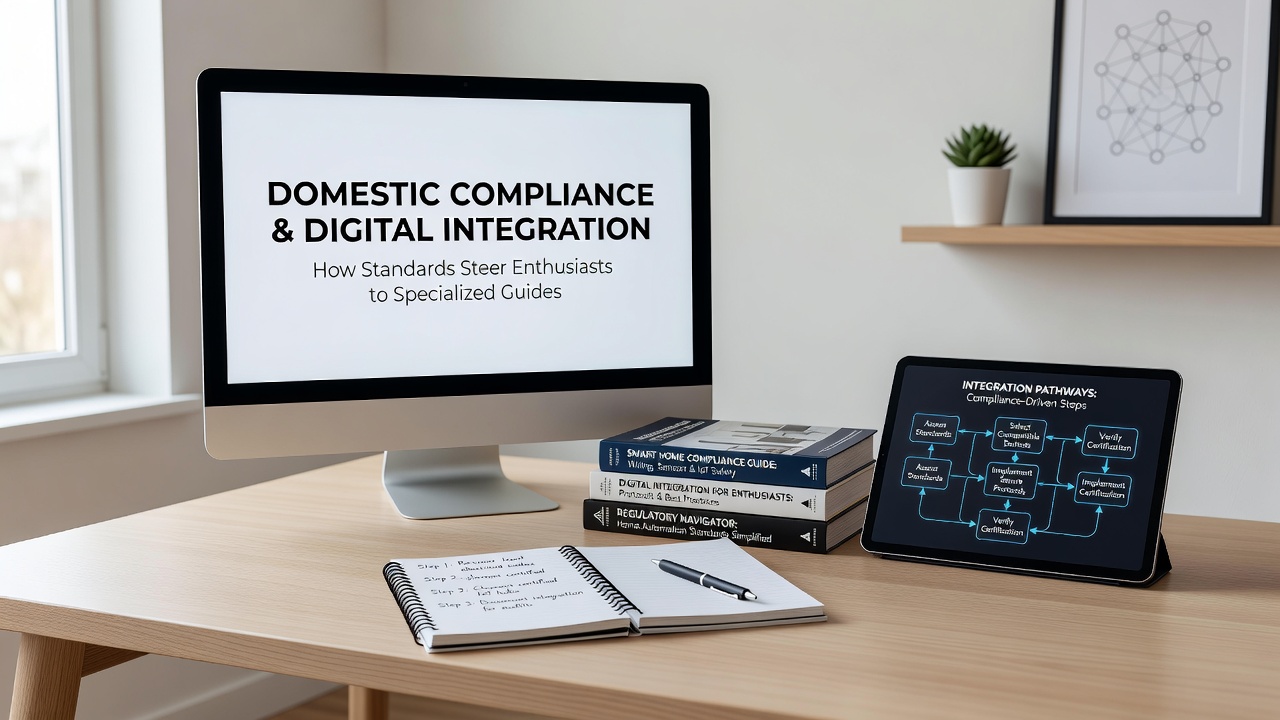
Role of Specialized Resources in Meeting Evolving Requirements
Specialized guides emerge because domestic compliance standards evolve through periodic revisions that affect wallet protocols and card format compatibility layers. As of October 2026, several jurisdictions have introduced updated verification intervals that alter how portable devices maintain secure sessions, prompting enthusiasts to seek updated integration instructions rather than rely on outdated manufacturer support pages. These resources compile cross-referenced information from regulatory releases and technical specifications, allowing users to align their setups with current mandates.
Industry reports highlight that enthusiasts who use these focused materials avoid common pitfalls such as mismatched security certificates or incomplete audit log configurations. The materials often include checklists derived from official compliance frameworks, which streamlines the process of linking digital wallets to live card environments without triggering security flags during active sessions.
Geographic Variations and Their Impact on User Resources
Different regions enforce distinct approaches to transaction monitoring and device authentication, which leads enthusiasts to consult guides that address multiple compliance landscapes within a single framework. Resources developed for users operating across borders include comparative tables that map wallet integration steps against various domestic requirements, helping individuals adapt their portable device configurations accordingly. Research indicates that such comparative materials reduce setup errors by providing side-by-side explanations of encryption standards and logging obligations.
Academic analyses from payment systems research centers demonstrate that enthusiasts benefit when guides incorporate real-world configuration examples drawn from different regulatory environments. These examples illustrate how wallet providers modify their interfaces to satisfy local rules while preserving compatibility with live card formats on standard mobile hardware.
Conclusion
Domestic compliance standards continue to shape the availability and content of specialized guides that assist enthusiasts with digital wallet integration for live card formats on portable devices. By establishing precise technical and procedural requirements, these standards create demand for resources that translate regulatory language into practical configuration steps. Enthusiasts who reference these materials gain clearer pathways through the complexities of secure, compliant connections that align with current domestic expectations.