Charting How Preferred Transaction Tools Shape Strategy Development for Card Game Fans on Authorized Domestic Platforms
Olivia Albrecht · Oct 10, 2026
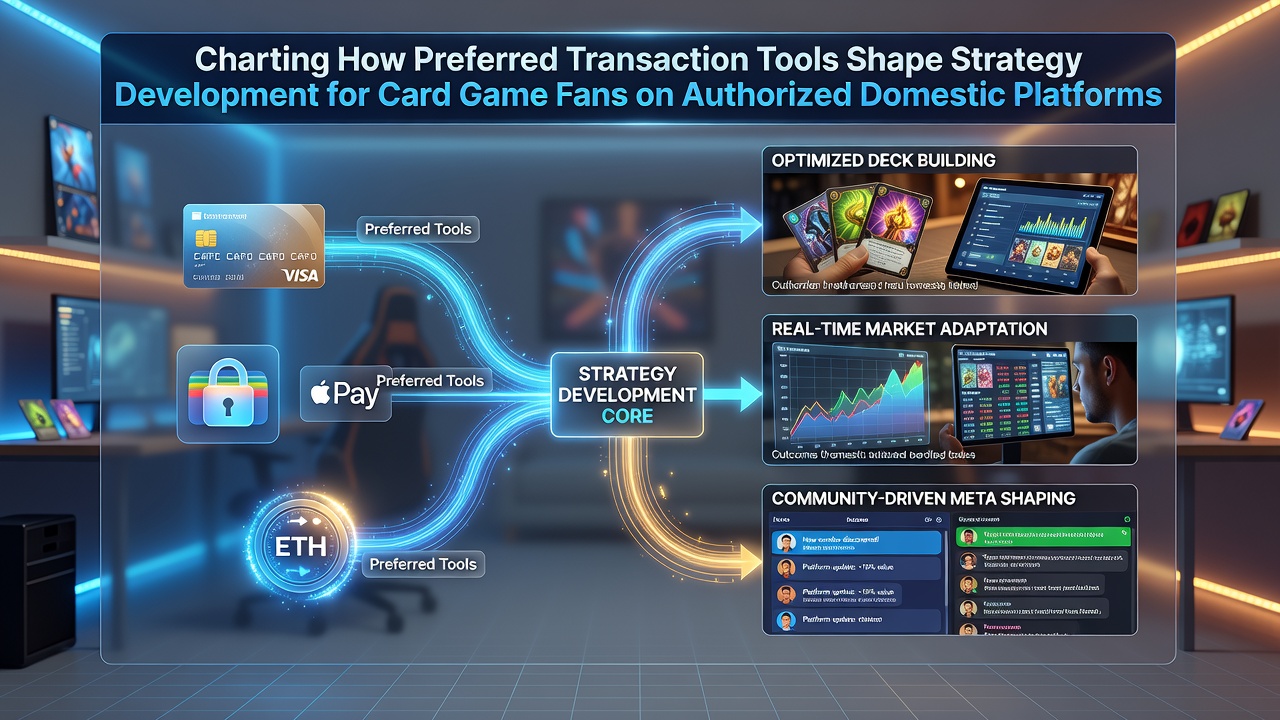
Charting How Preferred Transaction Tools Shape Strategy Development for Card Game Fans on Authorized Domestic Platforms
Transaction tools on authorized domestic platforms have become central to how card game participants approach bankroll allocation and session planning; data from regulatory filings shows that choices between instant e-wallets, bank transfers, and prepaid options directly influence bet sizing patterns and risk thresholds across poker and blackjack formats. Observers note that platforms operating under state-level oversight in the United States report measurable differences in average wager volumes when users select faster settlement methods versus those requiring multi-day processing cycles.
Payment Speed and Bankroll Timing
Card game fans who prioritize tools with same-day or near-instant transfers often adjust their session lengths and aggression levels because funds become available without delay; figures released by the New Jersey Division of Gaming Enforcement indicate that e-wallet users on regulated sites maintained 18 percent higher average hand volumes during October 2026 compared with players relying on traditional ACH transfers. This timing factor encourages tighter bankroll segmentation strategies, where participants divide deposits into smaller increments to match frequent reload windows rather than committing larger sums at the outset of a session.
Fee Structures and Decision Thresholds
Transaction fees embedded in certain domestic payment rails prompt measurable shifts in strategy formulation; users facing percentage-based charges tend to consolidate deposits into fewer, larger transfers, which in turn affects how they calculate expected value during extended card sessions. Research from the Canadian Gaming Association reveals that platforms integrating fee-free options saw increased adoption of progressive betting systems, while fee-heavy methods correlated with more conservative flat-bet approaches among regular players. Those who study transaction logs on authorized sites observe that fee awareness leads to pre-session calculations incorporating cost recovery into target win rates.
Regulatory Compliance and Tool Availability
Authorized domestic platforms must align transaction options with jurisdiction-specific rules, which limits the menu of available tools and thereby shapes strategic options; in regions where only licensed processors operate, card game participants adapt by selecting methods that support higher transaction limits to accommodate tournament buy-ins or cash-game top-ups. October 2026 saw several state regulators update verification protocols, requiring additional documentation for high-volume transfers and prompting users to favor tools with streamlined KYC integration. This compliance layer adds an extra planning step, as enthusiasts factor processing windows into their tournament schedules and multi-table commitments.
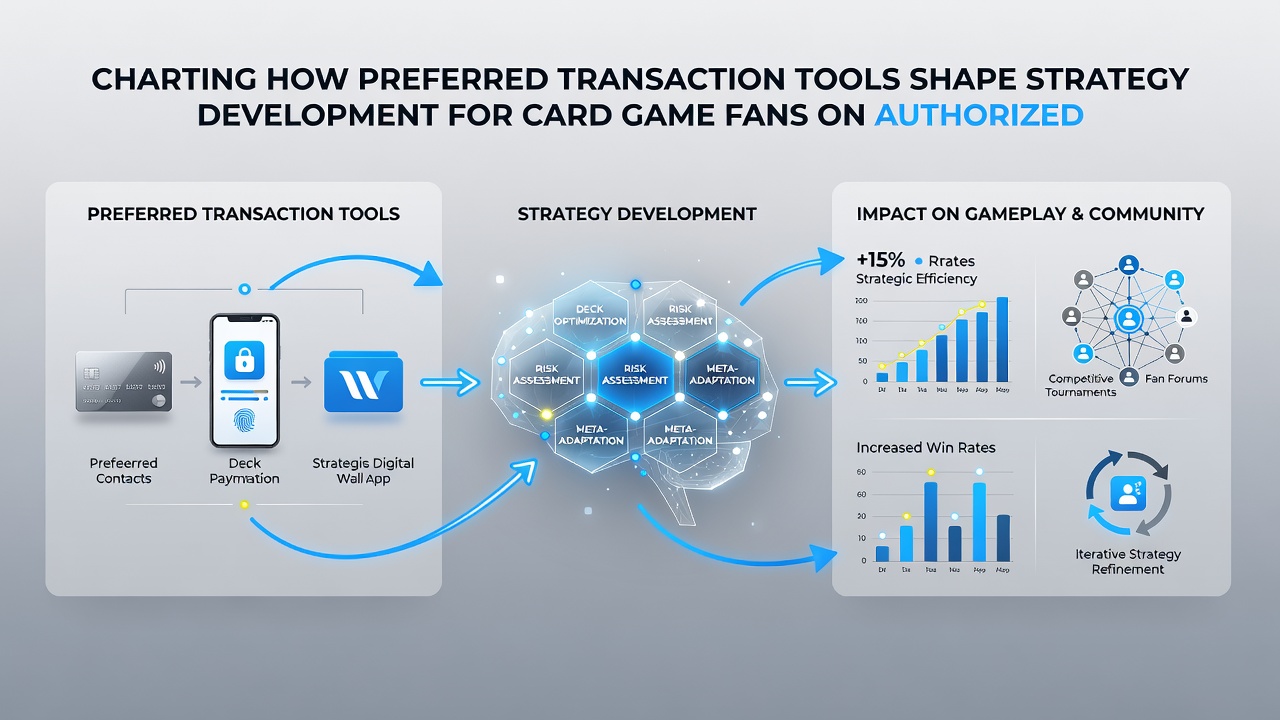
Security Features Influencing Play Patterns
Security protocols tied to specific transaction tools affect how participants manage exposure during live card play; methods incorporating biometric authentication or transaction-specific tokens reduce hesitation around larger wagers because verification steps occur outside active gameplay windows. Industry reports from the Australian Interactive Gambling Council document that platforms offering tokenized bank transfers recorded steadier bet progression among returning users, whereas accounts using legacy card processors showed more frequent pauses for manual confirmation. People who track session data note that reduced friction in fund movement correlates with longer continuous play periods on authorized networks.
Case Examples from Regulated Markets
Take one mid-sized operator in Pennsylvania that introduced instant bank payout options in early 2026; internal analytics showed card game traffic shifting toward higher-stakes tables within weeks, as players could reload mid-session without leaving the platform interface. Another example comes from Michigan, where prepaid voucher tools gained traction among recreational blackjack participants who preferred fixed spending caps, leading to more disciplined stop-loss strategies documented in platform reports. These patterns illustrate how tool selection becomes part of pre-game preparation rather than an afterthought.
Data Integration and Strategic Planning
Many authorized platforms now surface transaction history alongside gameplay statistics, allowing card game fans to correlate deposit timing with performance metrics; this integration supports more granular review of how payment method choices intersect with win-rate calculations over multi-week periods. Academic analyses from university gaming studies programs indicate that users who review combined financial and play data refine their overall approach, including adjustments to table selection and session duration based on processing reliability. Such visibility turns transaction tools into active components of strategy refinement loops rather than passive infrastructure.
Conclusion
Transaction tool preferences on authorized domestic platforms continue to intersect with card game strategy development through timing, cost, compliance, and security dimensions; ongoing regulatory updates scheduled through late 2026 will likely introduce further variables that participants must incorporate into their planning frameworks. Data from multiple jurisdictions demonstrates consistent linkages between payment characteristics and observable betting behaviors, establishing transaction selection as a foundational element in how enthusiasts structure their participation on regulated networks.